
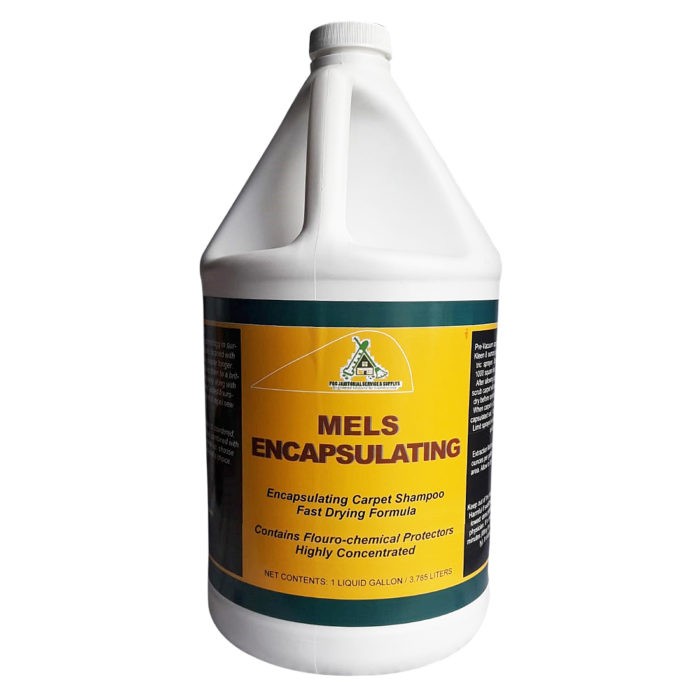
Summary: High-traffic carpets need chemical selection based on traffic, embedded soil, recurring stains, carpet construction, cleaning method, and service frequency. A suitable solution should remove soil without excessive residue or damage. Commercial buyers can improve results by testing products, controlling dilution and process, standardizing procedures, and working with suppliers who assess facility needs.
Do you know that high-traffic carpets rarely fail overnight? Dirt builds underfoot, stains return, and fibers look dull despite regular cleaning. Choosing the wrong chemical can waste labor, damage carpet, and increase replacement costs.
Choosing the right carpet cleaning products starts with four questions: how much traffic does the carpet receive, what soil enters it, how often do stains return, and how frequently can you clean it?
Start With Traffic, Not the Chemical
Your traffic level sets the first filter. Office corridors, school entrances, hotel lobbies, and retail aisles collect far more soil than private rooms. Heavy traffic needs stronger soil removal and faster recovery.
Foot traffic presses grit deeper into carpet fibers. That grit acts like sandpaper when people walk across it. If your cleaner only removes surface soil, the carpet may look clean but wear faster.
Embedded soil usually needs a cleaner that can break the bond between oily residue, dust, and fibers. Look for products suited to the carpet type and the cleaning method you actually use.
What Do Recurring Stains Tell You?
Recurring stains tell another story. Coffee, grease, food, tracked moisture, and maintenance chemicals can return after cleaning when residue remains below the surface. A routine cleaner may not solve that cause.
Cleaning frequency also changes your chemical choice. Daily or weekly maintenance usually favors efficient, low-residue products. Periodic restoration may require a more targeted pre-spray, extraction cleaner, or specialty treatment for difficult soil.
That decision needs careful evaluation before you buy. The strongest chemical is not automatically the best choice. You need the right chemistry, dilution, dwell time, equipment, and rinse process for consistent results.
Match the Chemical to the Carpet
Start with the carpet itself. Fiber type, dye stability, backing, construction, and manufacturer guidance can affect chemical compatibility. Test an inconspicuous area before treating a large commercial carpet or shared facility.
Then identify the soil. Dry particulate soil responds differently from oily soil. Food stains need different treatment from tracked-in mud. A single chemical rarely handles every condition equally well or safely.
Your cleaning method matters too. Hot-water extraction, low-moisture cleaning, encapsulation, and spot treatment each have different product requirements. Match the chemical to your machine, process, carpet, and expected drying time.
When Is a Standard Cleaner Not Enough?
A standard cleaner may be insufficient when traffic remains heavy, stains keep returning, odors persist, or one cleaning pass leaves visible soil. These signs point toward a more specialized approach.
Do not jump straight to stronger chemicals. First check dilution, application rate, dwell time, agitation, water temperature, and extraction. Poor process control can make a good product appear ineffective during routine cleaning.
Specialized solutions make sense when the soil has a clear cause. Grease-heavy areas may need stronger degreasing chemistry. Protein stains may need targeted treatment. Odor problems may need separate odor-control treatment.
Look Beyond Cleaning Power
Commercial buyers should also consider residue. A cleaner that leaves too much residue can attract fresh soil, creating a cycle of rapid re-soiling. Low-residue chemistry can support cleaner-looking carpets between major services.
Product selection should include safety and facility requirements. Review labels, safety data sheets, dilution instructions, storage needs, personal protective equipment, ventilation, and compatibility before bringing a chemical into routine use.
Do not judge a chemical by price per container alone. Compare usable cost per cleaned area, dilution rate, labor time, water use, drying time, stain performance, and the risk of carpet damage.
Build a Repeatable Facility Cleaning System
For large facilities, standardize the process. Keep clear dilution instructions, identify approved products, train cleaning teams, and record recurring problem areas. Consistency helps you see whether a product actually improves results.
Healthcare, schools, restaurants, and industrial sites may need different priorities. Hygiene, appearance, odor control, slip risk, traffic patterns, and operational downtime can all influence the best cleaning system for you.
Your facility can benefit from zone-based cleaning. Entrances may need frequent soil removal, corridors may need routine maintenance, and low-traffic areas may need less frequent deep cleaning to control labor costs.
That approach prevents over-cleaning and under-cleaning. You spend more effort where soil enters the building and avoid using aggressive chemistry where a lighter maintenance product will do the job safely.
How Should You Compare Carpet Cleaning Products?
When comparing carpet cleaning products, ask your supplier for more than a product name. Request application guidance, dilution ratios, compatible equipment, carpet limitations, and recommendations for your specific soil conditions.
The best cleaning products are not simply the strongest formulas. They are products that solve the actual soil problem while protecting carpet, controlling cost, supporting safe work practices, and producing repeatable results.
A good supplier should help you diagnose the problem before recommending a chemical. Review traffic levels, carpet construction, cleaning equipment, stain history, service frequency, and your facility’s operating needs together.
If your team keeps changing chemicals without improving results, stop and review the process. The issue may be product mismatch, incorrect dilution, insufficient dwell time, poor agitation, or incomplete extraction.
Test Before You Standardize
Think of carpet chemistry as part of a system, not a standalone purchase. The right chemical supports the right equipment, trained labor, maintenance schedule, safe handling, and measurable cleaning standard.
Before placing a wholesale order, run a controlled test. Choose one problem area, document its condition, follow the recommended dilution, clean consistently, and compare results after drying and after several days.
Ultimately, you choose the right carpet chemical by matching chemistry to traffic, soil, stain type, carpet construction, cleaning method, and service frequency. We help at P and C Supplies; call 242-364-3503 or email personalcleaners1@gmail.com for facility guidance.
Frequently Asked Questions
What cleaner is best for high-traffic carpet?
Choose a low-residue commercial cleaner matched to the carpet fiber, soil load, cleaning method, and traffic level. Heavy soil may need pre-treatment.
When should you use a specialized carpet chemical?
Use a specialized solution when recurring stains, grease, odor, heavy soil, or difficult contamination remains after correct standard cleaning procedures.
Can stronger chemicals clean carpets better?
Not always. Excessively strong chemistry can leave residue, affect dyes, damage fibers, or create re-soiling. Correct chemistry and process usually matter more.
How can you reduce carpet re-soiling?
Use the correct dilution, allow proper dwell time, rinse or extract thoroughly, control residue, and maintain high-traffic entry zones with regular soil removal.
Should commercial facilities test a carpet cleaner first?
Yes. Test a small hidden area first, then assess cleaning, color stability, residue, drying, and re-soiling before adopting the product across the facility.
Leave A Comment